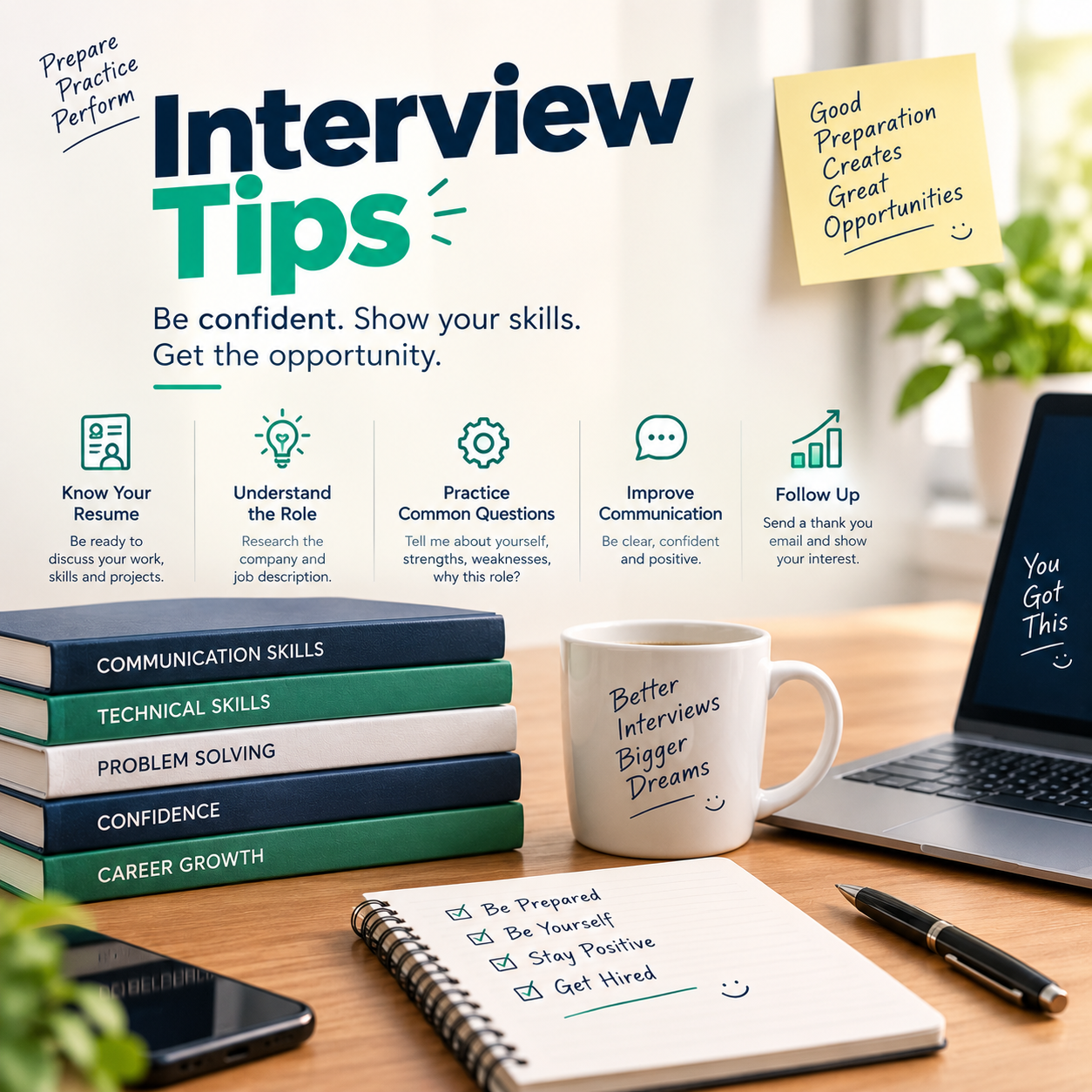
Job interviews can be some of the most terrifying experiences for most of us. Whether you are a young graduate, seeking your first experience in a professional environment, or you are applying for an important position, change, can be stressful. Yet, there is no need to panic since every aspiring candidate can master the interview if they know how to prepare.
Why Interview Preparation Is Important
There is nothing worse than preparing a fantastic resume for a company without any intention to hire you. Not only is the resume important, but you also have to impress your interviewer in person or over the phone. Most companies want to invest in a candidate that is perfect for their position and fits the company culture. That is why it is important to prepare for your interview to maximize your chances of getting hired.
Preparation Steps Before Interview
Research the Company
One of the first mistakes that job seekers make is not researching the companies for which they have applied. Before your interview, research the company and learn its products and services, mission, and vision, and values. Moreover, analyze the recent news about the organization and understand its competitors and the industry it operates in. This way, you will be able to align your answers to the interview questions in a way that appeals to the recruiters. You can also ask some questions about the company during the interview to demonstrate that you are genuinely interested in the place where you want to work.
Understand the Job Description
Ensure you comprehend the job description before the interview. Underline the main skills and qualifications required for the position and think of examples from your professional and educational experience that display these skills. This way, you will respond better to the questions during the interview since you will have examples of specific situations in which you demonstrated these skills. Moreover, it will be easier for you to ask the interviewer questions. For instance, if the job you are interviewing for is a management position, you can ask them about the management structure and the challenges they have faced while dealing with employees or clients.
Learn About the Interviewers
It is important to research the people you will be interviewing with as well. You should be familiar with their work and, in general, their life to determine what kind of questions they might ask you during the interview. Moreover, you will be able to personalize your introduction and connect with the interviewers better if you know something about them.
Prepare Your Introduction
Most likely, one of the interviewers will ask you to tell them about yourself. Therefore, you should prepare a brief and powerful introduction. You should not talk about your entire life; instead, briefly describe your educational and professional background, years of experience, and explain why you are the best candidate for the position that you are applying for. You should personalize your introduction depending on the job and the company for which you are applying. Additionally, it is a good idea to restrict your introduction to 2 minutes so that the interviewers do not get bored listening to your stories.
Prepare Answers to Common Interview Questions
You should practice your answers to common interview questions. Even though there are questions that are unique to your interviewer, there are common questions that almost every candidate gets asked during the interview. For instance, you should prepare answers to the following questions:
- Tell me about yourself
- Why do you want to work with us?
- Describe your greatest strength and weakness
- Tell me about a challenging situation you faced at work and how you dealt with it
- Where do you see yourself in five years?
- Why are you leaving your current job?
- What can you bring to the table that other candidates cannot?
Make sure that you practice your answers with a friend or in front of a mirror to be calm enough during the real interview.
Use the STAR Method While Answering the Questions
Most common interview questions are based on specific situations and require long and detailed answers. The best strategy to respond to these questions is to use the STAR method. The STAR method is an acronym that helps you remember important points and prepare a solid response to any behavioral-based question.
Specific situation – describe the situation you were in. It is essential that the example you have chosen was relevant to the job that you are applying for.
Task – describe what your task was in that situation
Action – describe in detail what specific actions you took
Result – explain the results of your actions and mention if applicable the numbers, percentages, and other quantitative data you were able to achieve.
For example, if the interview asked you to tell them about a situation where you had to deal with a conflict at work, your answer should sound something like this:
"In my previous job, I was the project manager, and two of my employees were having a conflict about the direction of the project and were not collaborating with each other. I decided to arrange a meeting with these two employees to understand their concerns and to find a solution together. After the meeting, we split the work so that each employee could use their skills and finish the project two weeks earlier than we originally planned. Both of them were also happy with the result, as demonstrated by our exit survey at the end of the project."
Look at Yourself Before Going to an Interview
Dressing is a crucial element of a successful interview. What you wear speaks for itself and demonstrates your interest and serious intentions to the recruiters. Make sure that your clothes are well-groomed, clean, and fit you well. Even if the dress-code of the company is casual, it is better to wear something more formal than less formal. You should research the dress-code before the interview by looking at pictures of employees on the company's social media accounts. You can also ask the recruiter to confirm the dress-code of the company. Moreover, you should groom yourself to look neat and be clean. Avoid wearing heavy makeup and bright nail polish and stick to basic accessories to keep the focus on your face.
Make Sure Your Body Language Says That You Are Confident
Remember that body language is the most important tool that you have during an interview. The way you act, speak, and move can affect the final impression and the outcome of your interview. First of all, make eye contact with the interviewers as soon as possible to demonstrate that you are calm, confident, and sincere. At the same time, avoid staring; you should look the interviewer in the eyes to convey your confidence. Moreover, make sure that you shake hands firmly at the beginning and the end of an interview. Sit up straight to demonstrate that you are confident and attentive. You can also use open-hand gestures to emphasize your points. Moreover, smile more often to demonstrate that you are friendly and sincere.
Ask Questions at the End
At the end of an interview, the interviewer is likely to ask you if you have any questions for them. It is essential to have some thoughtful questions ready to demonstrate your interest in the position and the company. However, avoid asking questions about salary, benefits, and vacation time, at least at the beginning of the interview. You can ask about the future development and the career path you can choose in the future. Below are some examples of questions you can ask:
- What would success in this position look like in the first six months?
- Tell me about the team I would be working with.
- Tell me about the challenges one faces while working in this position.
- What does the company culture emphasize?
- What opportunities for advancement and growth does the company offer?
If you are a great candidate, the interviewers will answer your questions with enthusiasm.
Be Positive About the Tough Questions
Most often, interviewers will ask you difficult questions designed to catch you off-guard and trigger your stress response. Some of these questions are tricky, and some of them are even unfair. Nonetheless, you should always be positive in your answers so that the interviewers see in you a positive spirit that is perfect for the job. If you have a gap in your work experience, explain briefly why you were unemployed at the time and focus on the positive side of this situation. If you got fired, explain what the problem was and what you have learned from the experience. When it comes to salary, do some research and find the average salary for the position in your region, and respond that you are looking for a fair compensation.
Tips for Virtual Interviews
With the rising popularity of remote work, virtual interviews are becoming the new standard. If your interview is set up as a virtual meeting, make sure that you prepare yourself for it. You should test your connection and make sure that there will be no interruptions during the call. Set up the background so that it presents a positive impression and ensure that your clothes and grooming are suitable for the interview. You should also fix your camera so that it is positioned at eye-level and avoid looking away from the screen while the interviewer is talking. Lastly, close all the unnecessary tabs on your browser to avoid any pop-ups during the interview.
Follow Up After an Interview
After the interview, send a thank-you e-mail to the interviewers to express your gratitude for the opportunity. Make sure that you mention something interesting from the conversation to remind them of your visit. Furthermore, you can always send another e-mail to ask if they have made a decision regarding your candidacy.
Mistakes to Avoid During Interview
During an interview, there are several mistakes that you should avoid. For example, always be punctual; it is better to come earlier than to be late. Avoid badmouthing former employers and employees; always speak positively about your previous experience. Moreover, you should be well-prepared to speak about your resume since the interviewers will most likely ask you specific questions about it. Prepare some examples from your professional and educational experience and always provide specific information while answering the questions. Avoid losing interest while the interviewer is talking and do not forget to prepare some questions for the end of the interview.
Final Words
Interviewing is a skill that requires practice and preparation. You can increase your chances of success by thoroughly preparing for your interview, researching the company, and learning the answers to the most common questions. At the same time, make sure that you look good during the interview and that your body language does not convey negative emotions such as nervousness or disinterest. Finally, remember that an interview is a two-way process, and it is your opportunity to evaluate the company as well.
Comments
Leave a Comment